
“Certain moments catch you out.” The words of Prince William, describing how he felt when he saw the Paddington Bears left outside Buckingham Palace following the death of his grandmother, Queen Elizabeth II. I’ve long felt that way when it comes to funerals and anything vaguely connected with bereavement. It’s the unexpected that knocks you off kilter. It happened to me most memorably when I flew to Canada in March 2011 for my father’s funeral.
His death, after a two-month illness, came not as a shock, but as a surprise. I had steeled myself for it so when my phone rang in the early hours I knew instantly what had happened. Although my brain was engulfed in more of a grey mist than a thick fog, I managed to keep it together. As I planned my trip to Ottawa, I thought everything through. The bus journey to Heathrow, the wait in the Departure lounge, the flight, meeting family at the other end; even my speech at my dad’s funeral. I felt sure I would cope. I was thoroughly prepared. But I wasn’t. There were small details, certain moments that caught me out.
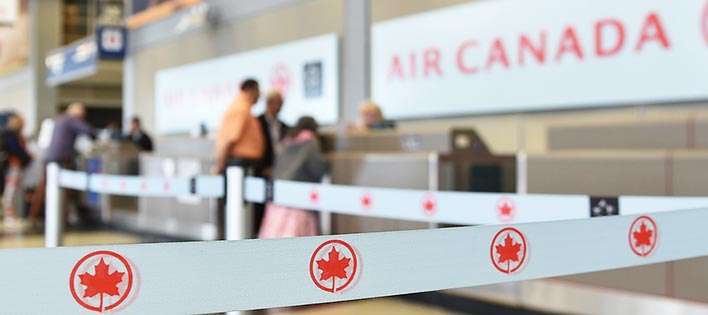
Everything was going fine until I reached the Air Canada check-in. The meltdown started and suddenly I felt all tearful and upset. “Business or pleasure, Sir”. Cough, splutter, faltering voice. “My dad’s funeral.” “Passport, please.” Once I’d cleared security, I went into departures, had a couple of beers and some junk food and normality was restored. I had been caught out once, but it wouldn’t happen again. But it did.
I got in to check-in and I was full-on blubbing. And I couldn’t stop it. One of the staff asked if I was okay. I spluttered the reasons for my meltdown. “We’ll find somewhere quiet for you”. Recovering, I boarded the plane, being greeted by a concierge called Kelvin who I immediately recognised from the BBC One programme Airport. He seemed thrilled that I recognised him. Now I was back in the land of normal. I found my seat and settled back for the flight, during which I played the next few days through my brain to even the most minor detail. It worked. I never cried about the death of my father again.
My strategy has been largely successful ever since. I have been able to deliver speeches at the funerals of loved ones without collapsing into a heap. This could be, at least in part, down to the sheer volume of antidepressants I take. I honestly don’t know. The drugs do work, in the sense that self-harm and suicide is only a passing thought these days and not a constant one. Maybe the bad times in life are made more bearable by the cocktail of prescribed drugs I’m on. For all that, I’m not going to take a chance.
“Certain moments catch you out.” It’s true but that statement can only ever be true if you are not overwhelmed by a bereavement in the first place. It will be far harder to create a coping strategy if you’re not coping in the first place. Just because Prince William correctly identified how the element of surprise can disrupt the best laid plans, an observation that I totally accept and agree with, it doesn’t mean my coping strategy will always work. As both our next king and I have found out. But it helps. And it’s worth doing.
