
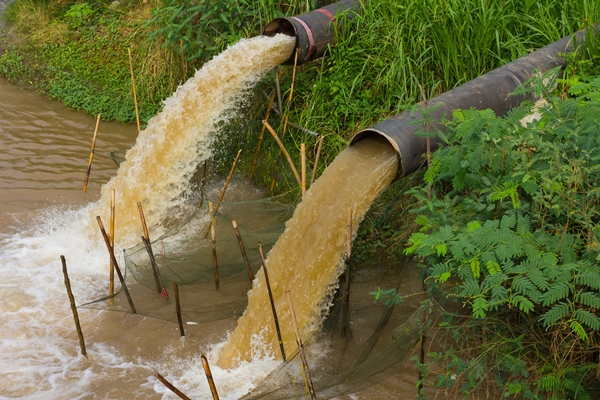
The very idea of wild swimming, or swimming as it’s otherwise known, has never appealed to me. I’d fret about what was on the bottom of a river and anyway most rivers in the UK are freezing cold. I’m told that swimming in cold water is somehow exhilarating and life-affirming but when you’re the sort of person who feels a sensation of shock when swimming in the sea in Greece during August, you might safely conclude it’s not for me. But there’s something else putting me off swimming in the UK: sewage.
Take Fairford, the lovely market town in Gloucestershire, through which flows the River Coln. If you were passing through, you might notice an unpleasant odour in the air because since 23rd December 2022, Thames Water has been discharging diluted untreated effluent into the river for 745 hours. Effluent, need I remind you, is water from sewage or industrial outfalls. The Coln is famous for its trout. If you’re in the area anytime soon and intend to order some local fish for dinner, it might be worth asking where it’s come from. You never know what you might be eating.
At least this is a local issue, right? Wrong. In 2021, water companies discharged raw sewage via storm overflows into rivers 372,533 times, over 2.75m hours. That’s a lot of raw sewage and I would suggest that if you’re fancying a dip in the local river you might want to think again.
It’s one thing suffering from frostbite during a bracing swim but it’s quite another to literally swim in shit and eat food that lives in it.
Still, there is at least some good news to impart. Now we have taken back control over our own laws following Brexit the target date for cleaning up our waters has been put back from 2027 to 2063. That’s something to look forward to, if only for our children and grandchildren. For the rest of us, it will be a case of holding our noses.
