
Late to the party, as ever, I find myself watching the excellent BBC series Baptiste, which I discover is actually a spin-off from another BBC series I haven’t seen, The Missing. And of course, there are bits of Baptiste which will make far more sense when we’ve watched The Missing. The great joy for me, though, is the amount of Dutch spoken in season one of Baptiste.
I am able to spend time listening to spoken Dutch, with English subtitles at the bottom of the screen. And given that Dutch is my second language, I am taken back to the land of my mother, the Netherlands.
My mother, christened Neeltje Verburg, was from Rotterdam, moving to Bristol in the 1950s to marry the son of a Norwegian and a girl from Somerset. There were many things my mother didn’t teach me and one of them was the Dutch language.
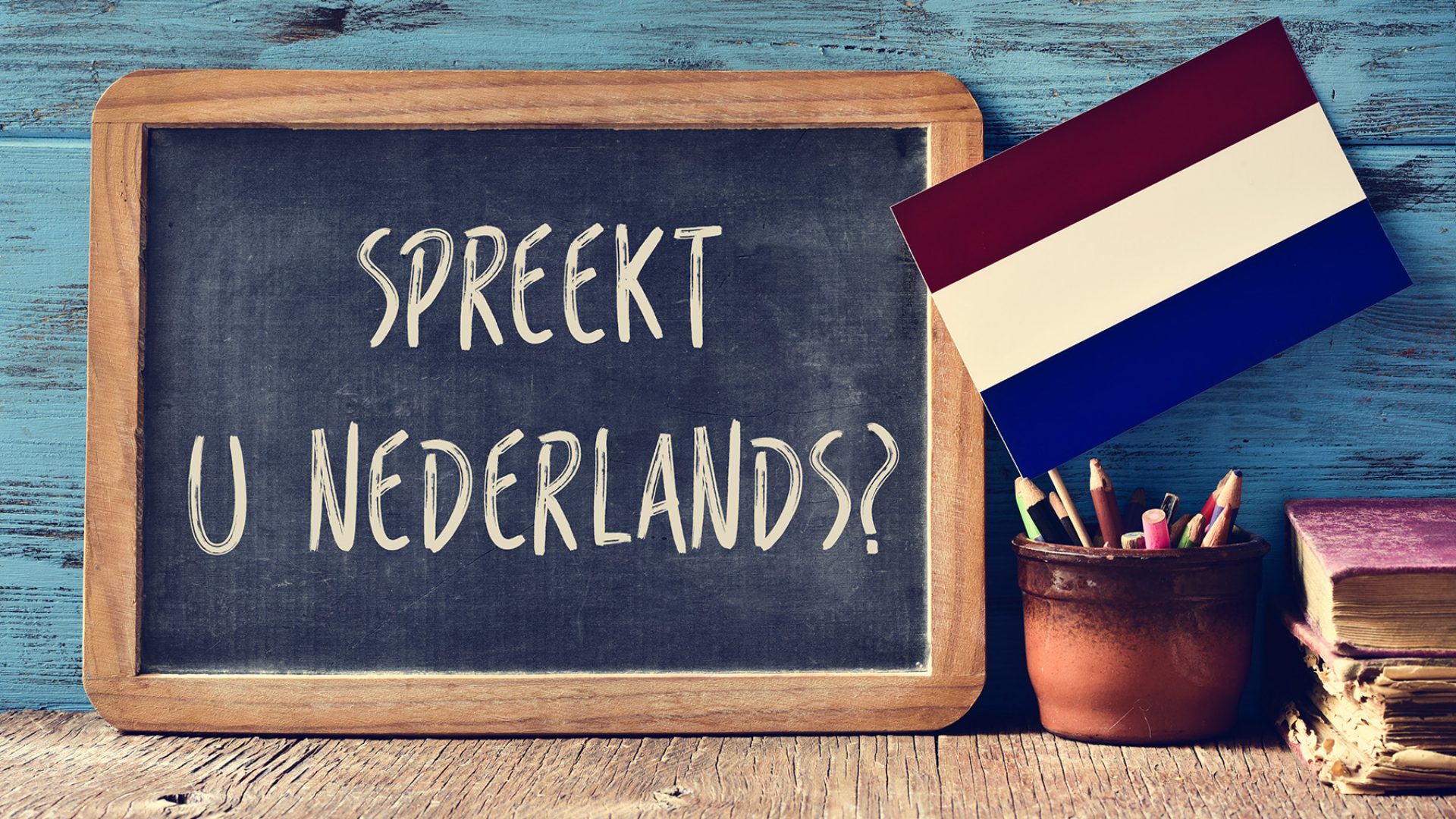
Visiting Rotterdam pretty well every year, I spoke fluent Dutch, In fact, I once returned to England after a long summer break automatically speaking Dutch, which came as a surprise to my teachers at junior school. It took some time to get me speaking English again, but eventually I got there. Dutch returned to second place on the language front and the passing of the years has diminished my command of it to a kind of Pigeon Dutch. Watching Baptiste being played out in Amsterdam found me able to understand only small parts and individual words. But slowly and surely, the language began to return.
No one, least of all my mother, taught me Dutch. I had no lessons, no instruction. I picked it all up as a young boy, something I still find incredible, but then I learned English in much the same way so maybe I shouldn’t. Yet, incomprehensibly, I feel, she did not teach me to read and write in Dutch. We would be there in my grandmother’s apartment on Leopoldstraat in Rotterdam, conversing on all manner of subjects, but the newspaper on the table was a total mystery to me. If I read some of the words phonetically, I might get some kind of feeling as to what they meant, but soon I gave up. It was the same with writing. Yet, it seems, no one thought it worth bothering to teach me. For a time, I would have been semi-literate in English – some say I still am – and wholly illiterate in Dutch.
In senior school, Dutch was not an option for me to learn. Instead, I was first assigned to study French, which sadly I wasn’t interested in learning and later German, which is vaguely similar to Dutch, although with the former you produce less phlegm. By the fourth year at senior school, I still spoke very good Dutch, although I could barely read a word of it and I spoke very bad German, although I could read a fair bit of it. It’s probably not a coincidence that this all coincided with me being introduced to psychiatry for the first time.
In truth, I learned about English the same way. I had no help at home, on the grounds that my mother’s grasp of English wasn’t the best and my father was living in Canada and it would have been tricky for him to school me par avion, so I had to do it on my own
So, many thanks to Baptiste for reminding me of the days when I could at least speak Dutch, even if I couldn’t read or write it. Memories are made of this.
