
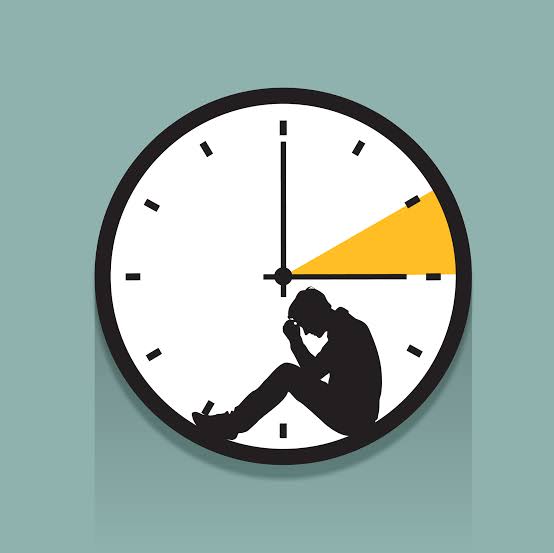
Hands up everyone who looks forward to the changing of the clocks? Not all at once, please. Just let me count them all … Hmm … that’ll be none, then. Unlike Christmas, this clearly is not the most wonderful time of the year.
I am making a bit of an assumption, here, which is that you all hate ‘daylight saving’ as much as I do. Maybe you don’t. Maybe you actually like the extra light first thing in the morning and aren’t too bothered about being plunged into darkness shortly after that afternoon cup of tea?
I’ve been looking at the history of the changing of the clocks and, frankly, it all seems a bit mad to me. It all started in 1907 when a builder called William Willett created a pamphlet called The Waste Of Daylight in which he proposed that the UK should put the clocks forward in spring in order to increase recreation time and cut lighting costs. In 1916, the change did happen, with the clocks going forward one hour in order to save fuel. in wartime (it was in the middle of World War One).
It was the next World War which saw the UK adopt Double Summer Time, which kept clocks two hours ahead of Greenwich Mean Time in summer and an hour in winter for the same-ish reason as the previous war. There have been changes over the years, including from 1968 to 1971, where we tried with British Summer Time all year. Sadly, northern folk objected to the dark mornings and we went back to arsing around with the clocks every year and that’s where we are now.
It’s personal with me. I hate – a strong word, I know – the darker evenings. I don’t know whether it is a throwback to my childhood when our house felt permanently dark and cold for at least half the year, with added mental health issues. All I do know is that as soon as September arrives, my heart and head fill with gloom at the prospect of a long, cold, dark winter. And then, in October, things are made even worse by changing the clocks. I have a few ideas about changing the clocks permanently in ways that might everyone happy.
My idea is very simple, as am I. I would still enable clock changing but I would start from a position of having British Summer Time (BST) in winter and Double Summer Time in spring, summer and autumn. Imagine those longer, later evenings, stretching on occasion close to midnight? Relaxing in the garden with a good book and a glass of something cold, going for an evening walk, a visit to a pub garden, all the while in daylight. In winter, put the clocks back an hour if you want to, but so it doesn’t feel like the middle of the night by the middle of the afternoon. Ah, but what about northern folk who don’t like dark mornings? I have a solution for that, too.
The government is very keen on devolution, taking power back to local communities. Why not devolve clock-changing, too? If our friends in the north, particularly the Scots, want their own time zones, well just let them have them. It’s not hard to adjust one’s watch and smart phone these days – mine do it on their own anyway. There might be the odd issue with businesses trading across time zones, but we have that anyway with the rest of the world. What’s another time zone or two? I can’t see a problem with it. It’s not as if we are creating more light and more dark. We’re just moving them around a bit, that’s all.
In the grand scheme of things, this issue is probably of little, or zero importance to normal folk who just get on with it. I just like the light and dislike the dark and I’d like to juggle it around so that when it’s dark it doesn’t affect my life. What do other readers think?
