
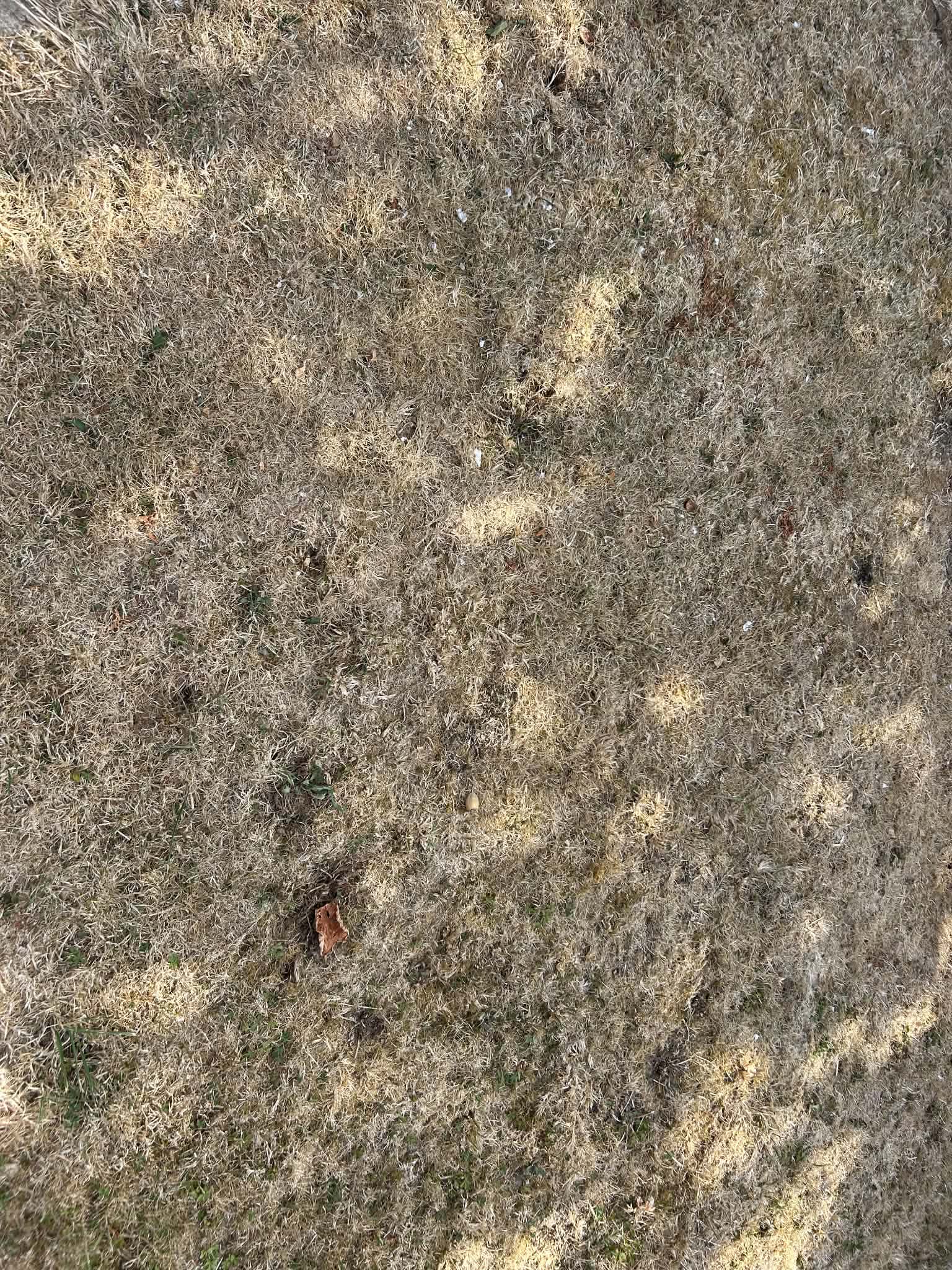
The brilliant Professor Alice Roberts reported on social media from Durdham Downs in Bristol where last night she joined many thousands of people to observe the partial, almost complete, eclipse. After commenting on the eclipse itself, she added: “And here we all are on this planet together. A planet that needs some help. Even in August, the grass should not be this dry. The trees should not be this parched. Today is set to be another scorcher, and the heat settles in my soul like mourning. Have we left it too late?”
At 9.00 am this morning, the temperature in this part of South Gloucestershire, obtained from official sources and not from a dodgy thermometer in the back garden, was a startling 25c and at the time of writing – it’s currently 9.45 am at this stage of today’s blog – we’re looking at 26c, which in old money is 79f, basically approaching the 80s. This isn’t normal, yet maybe it is: the new normal, as Prof Roberts suggests.
On Tuesday, we were out and about in scorching Wiltshire, on Wednesday in Somerset, and the story was the same as it was on Durdham Downs. Yesterday, especially, was brutally hot and we returned home much earlier than we intended, simply because it was so uncomfortable.
In June, we visited a Canary Island where the temperatures were well below the levels being experienced back home. The 26c we are currently enjoying in our village was pretty well the peak temperature in Fuerteventura and that felt plenty warm enough to us. Meanwhile, at home it was in the mid 30s, with little relief at night. I never once thought we would go on holiday abroad and be happy that it was cooler, much cooler, than it was at home, but we were and it was. Today, I find myself looking forward to the next few days when temperatures will start slipping away, bottoming out at a far more bearable, and still warm, 22c.
The countryside we saw from the train carriage on Tuesday and from the car yesterday, was still beautiful, of course, but as I always say, this bore little resemblance to “England’s green and pleasant land”. And as well as the bone-dry parched land, numerous waterways were reduced to a mere trickle; some had been reduced to nothing. I am not going to pretend to you that I am not more than a tad concerned about the future. The near future, at that.
A strong – super – El Ñino is expected between now and October and this will have a brutal effect on weather all over the world. We cannot know exactly how this will effect us here in England but it is entirely possible that next year’s weather could be even more extreme than this year’s. El Ñino, a natural phenomenon, combined with the fact of man-made climate change, has the potential to turn our weather, and our lives, upside down.
I am not going to lie to you and pretend that I have not enjoyed large parts of The Great British Summer. I do not wear rose-coloured glasses and my childhood, and indeed adult, memories are not of endless baking hot summers. Au contraire, Rodney, as Derek Trotter once said to his brother in Only Fools And Horses. It seemed to rain all the time when I were a lad. The blistering summer of 1976 was a rare exception to the rule. 50 years on and I can say with some certainty that 2026 has been hotter, drier and, I have to say, increasingly more unpleasant than anything that has come before.
Eventually, this extreme weather will ‘break’ and likely it will rain for the rest of the year to the extent that our rivers will be full to bursting and we will all be complaining about the terrible weather. As I risk drowning on the local golf course, I will probably among the first and loudest to complain but that’s climate change for you.
If Prof Roberts’s fears are realised, I dread to think about the world we are bequeathing to our children and their children. Each generation has the responsibility to nurture and protect our world for those who follow and this generation has not so far demonstrated sufficient commitment to the needs of the planet. And I am as guilty as the next woman and man, driving my car and flying to foreign climes, and increasing my own carbon imprint. I do a lot to help the planet, but I realise it may not be enough.
The changing climate may be little more than a pain in the arse for my generation. To future generations, it will be existential. Our planet does need help and only we can help it. Doing nothing will only to encourage accelerating destruction, disease and death. I want the old normal back, at least as near to the old normal as we can get. But what if it is too late?
