
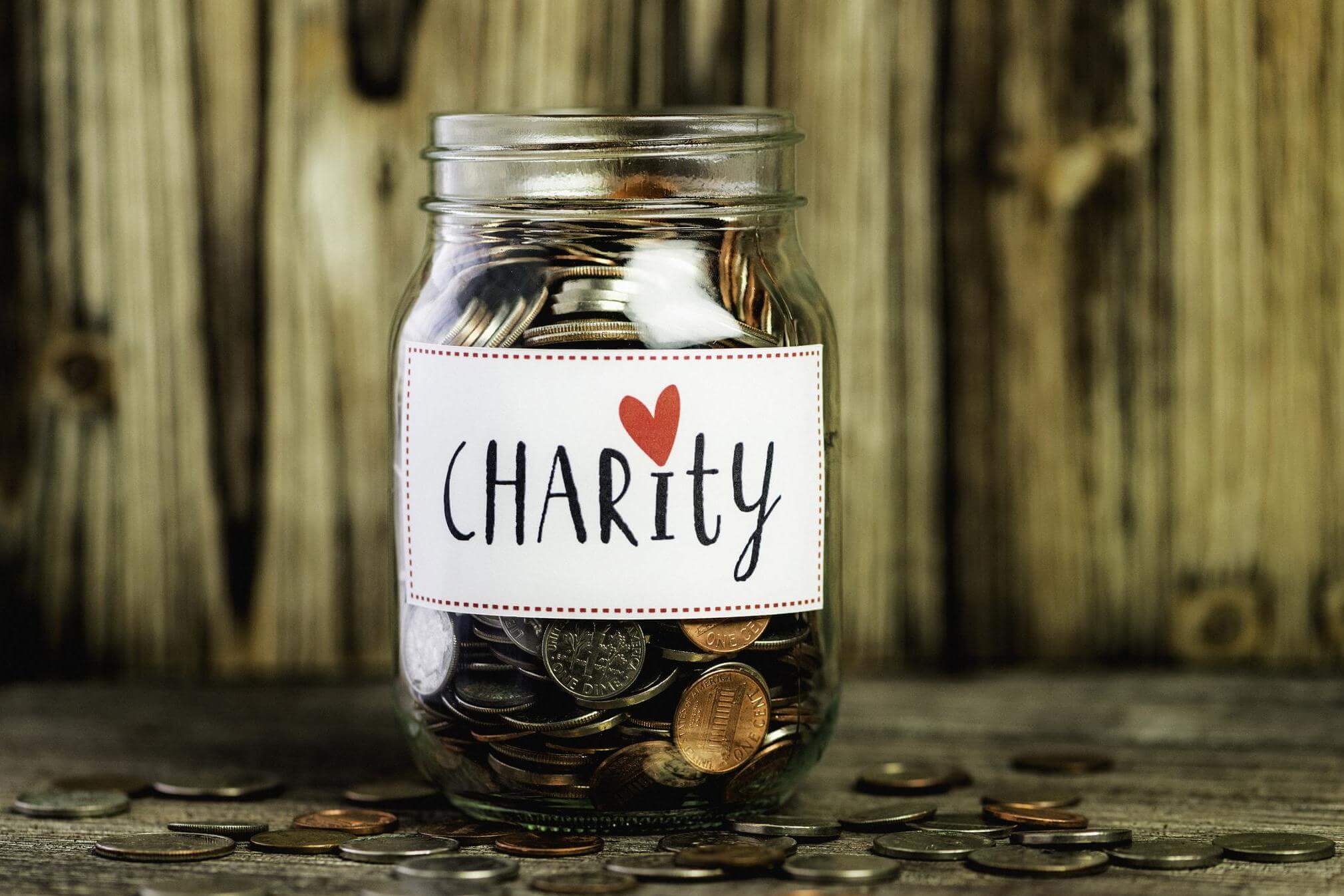
What have all these worthy charities got in common?
- Age UK
- Mind
- RNLI
- Action Aid UK
- Trussell
- Woodland Trust
- Bowel Research UK
- Barnardo’s
- North Bristol and South Gloucestershire Foodbank
- The Children’s Trust
- Refuge
- Breast Cancer Now
- St Mungo’s
- Maggie’s Centres
- Diabetes UK
- UK for UNHCR
- Great Ormond Street Hospital and Charity
Worked it out yet? All of them were on my Facebook timeline yesterday morning. This morning, they’ve been joined by Save The Children, Samaritans, War Child, RSPB, WWF UK and Shelterbox, among many, many other charities. What is going on here?
Clearly, someone at Facebook has worked out what a kind, generous person I am with my voluntary work for, and donations to, the Trussell Trust and they have passed my details on to the other 171,700 charities in the UK. If this is the case, I doubt whether there will be any time or space for me to look at all those gurning selfies and the “my life is SO great” posts and at the same time avoid bankruptcy.
Many of these charities, possibly unintentionally, possibly not, do make me feel slightly guilty . We have our charity of choice, the Trussell Trust, but it’s not that I don’t care equally about other charities and the people who benefit from them.
I don’t want old people to suffer or be lonely. I’m old and I understand it. I don’t want people to suffer with their mental health because I am mental as anything and anyone. People who serve on lifeboats are heroes, I don’t want women to suffer with breast cancer, my heart aches for children in hospital (and their parents), I’m appalled at domestic abuse, I love animals and I want to do anything I can to help people suffering from bowel cancer. Some of my best friends had and have bowel cancer. All the charities want, all they need, is for good people to donate just a few quid, preferably on a regular basis and we can change the world. How could you not want to help?
Well, obviously you have to draw the line somewhere, don’t you? It’s all very well to not wanting people to suffer, I must have my two weeks in the sun, my bottle of Cloudy Bay Sauvignon Blanc for Christmas, the remaining 25 albums I don’t already own by King Gizzard & the Lizard Wizard. In moralistic terms, I can’t justify not giving money to all these charities. Maybe over the next decade I could give each of the 171,000+ charities in the country £1? You know I’m not going to. But when we say we all do our bit, for most of us a bit is often what it is. But let’s go back to favourite hobby horse of mine: what is the state doing?
Yes. That’s definitely a good question. Aren’t the RNLI an emergency service? Shouldn’t the state be looking after former service personnel and not just the Royal British Legion and Help For Heroes? Don’t we all know someone who has cancer, assuming that someone isn’t us and shouldn’t we expect the state to invest in trying to find a cure? Well, yes to all that. But as I say, on a near daily basis, charities exist in order to pay for things society deems not important enough to pay for by taxation. I am not sure there is an answer.
Charities come in all shapes and sizes. I’ve worked for two and volunteered for another. I worked for the British Red Cross, which is part of a multinational corporation with huge overheads and scores of highly paid managers, many of whom earn well north of £100,000 and some on much more than that. Similarly, I worked for the charity Headway, a well-meaning business, it felt to me, that provided respite and befriending services to people with brain injuries, albeit at a cost for individuals and local authorities. None of the work I did was essential, life or death stuff, or even life-changing stuff, but it did make the lives of vulnerable people better. Other charities – and you can work out for yourselves, which – do carry out life-changing, life-enhancing and, yes, life-saving work. Society can manage without some of the charities, but the people who use their services would miss them if they were gone. In my clumsy, clod-hopping way, I hope I have managed to get across the fact that charities have become vital public services.
Was it always like this? I didn’t really pay much attention when I were a lad. I don’t think there were charity shops in the area I grew up in, just small, often one man band shops on street corners and on High streets. Oxfam was founded in 1947 so clearly some charities have been around longer than I have, incredible though that seems. Now, it feels they are everywhere.
It’s true that the government can’t do everything and somewhere along the line society, government, someone has to decide the limits of what it can do. I’m glad it’s not me deciding. Whether it is the government abandoning responsibility or a new charity coming along to address an issue that has not been addressed before, what’s important and what isn’t?
Food poverty? Cancer research? Saving people at sea? Which one doesn’t matter? How about abandoning abandoned cats and dogs? We don’t think of that, do we? But what if we take matters further? How about the State ending some of its functions? Think how much money the taxpayer could save if we scrapped the NHS, ended state education, stopped refuse collection and road-building? Let charities take over or let private companies assume control. We could Make Britain Great Again in the exact same way Donald Trump isn’t Making America Great Again. This surely isn’t a real answer, except that if the thoroughly modern Mosley, Nigel Farage, ever got near the levers of power this is, 100% guaranteed, what would happen.
The relationship between charities and the state is a mess. It seems to make no sense as to what the state should do and what do gooders (like me, obvs) provide. The Conservatives wrecked the economy and now, very painfully, the new Labour government is sorting out the mess. So there is no extra money: for now there’s less. And we have over 170,000 individual charities competing for your money. Then it comes down to our personal choices, based on our own priorities in life.
I’m not going to conclude by having the brass neck to try to tell you which one to support. But I tend to avoid the giants in the field, like the British Red Cross who, frankly, Britain wouldn’t miss if they disappeared tomorrow. Up to 4000 employees, many very well paid and not particularly competent, working for a Behemoth of a massive business. Other giant charities are available, so support smaller ones instead, like the Trussell Trust where all the items you donate – and I mean all of them – go directly to people who need them.
Whatever you do, please don’t stop giving, if you can. We’re passed the point where people like me blithely declare that donating to charity gets the government off the hook, so don’t do it. Britain is currently broken and sadly we need charities more than ever to try to put it back together again. There are 171,701 reasons why we need the charities and they need us. Perhaps, society doesn’t care enough collectively to pay for vital things, but as individual human beings we just might.
