
I’ve been familiar with the concept of dark or disaster tourism for a very long time now and my interest in the subject was aroused, so to speak, by Dom Joly’s very funny book The Dark Tourist where the author visits places not usually considered to be conventional tourist spots. Chernobyl, North Korea and Beirut are among Joly’s tourist venues and having read the book, there was a temptation to consider a visit to Chernobyl, the scene of the world’s worst nuclear disaster back in 1985. Putin’s war on Ukraine has put the kybosh on that for the foreseeable future and maybe it’s better that I don’t go after all. Like New York’s twin towers, it’s a scene of death and destruction. But aren’t so many tourist attractions?
The Tower of London, ancient hill forts, Elland Road – all historical places where terrible atrocities have taken place, yet people flock in their million hordes (from Ibiza to the Norfolk Broads?) to look at the places terrible things happened. The terrible disaster of the Titan submersible was yet another example, wasn’t it?
Bizarrely, some places earn a fortune as a result of disasters, none more so than Titanic Belfast, where the ship was designed, built and launched. Like it or not, that’s disaster tourism too and the clearly flawed privately run OceanGate expedition is disaster tourism for the super rich. Forgetting or even ignoring far bigger human tragedies, the world’s attention turned to the tragic fate of five such disaster tourists which ended, I suspect, exactly the way most of us expected it to.
I am not, at least in theory, opposed to dark and disaster tourism but my concern goes much further than the loss of life in the Titan submersive. The rescue mission must have cost many millions of dollars and someone is going to have to pay for it. Indeed, many of the rescuers will have put their own lives at great risk in order to try to save wealthy tourists who were, let’s be honest, on an expensive jolly.
Doubtless, we will learn in the months and perhaps years to come why and how the Titan imploded and whether there will be a need to investigate possible negligence, possibly by the owners of the vessel. One thing is for sure: something went horribly wrong, something that shouldn’t have happened. Accidents like this shouldn’t happen. And when the powers-that-be do their assessments, I hope they come up with regulations for companies who offer this type of tourism have to make allowances for what happens in the event of disasters. I am not sure that it is right that ordinary folk have to carry the financial can for the follies of the rich.
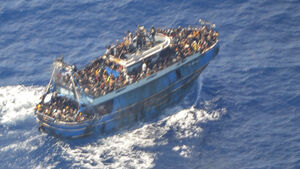
Yes, we mourn the deaths of those who perished in the Titan but let’s also spare at least some sympathy for those who have died recently in disasters at sea, such as the one in Greece and the one off the Canary Islands. A tragic death is a tragic death, isn’t it, regardless of whether it’s a wealthy disaster tourist or a desperate refugee fleeing for their life so let’s not introduce a league table for which deaths are more important. But let’s not relegate the significance of the deaths of hundreds of others to to the margins, which is precisely what the media has been encouraging us to do since Titan disappeared.
