
I tend to view 24 news only when something major has happened, major like a big disaster. Run of the mill news? These days I can take it or leave it, between the music, and I’m more likely to keep up to date on the internet. Today was a disaster day, so on came Sky and BBC News, in that order.
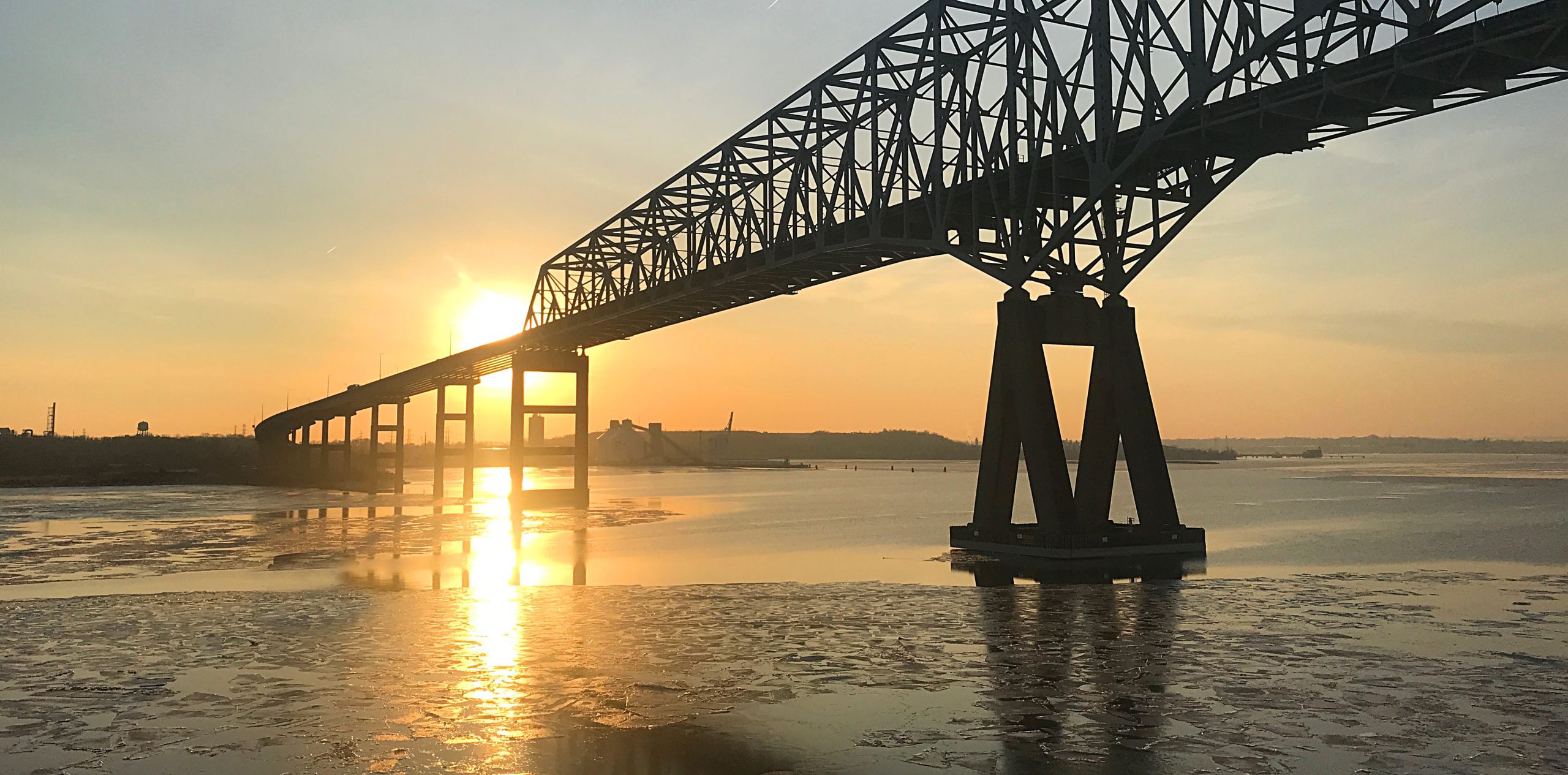
The Big Story was the container ship that drifted into and destroyed the Francis Scott Key Bridge in Baltimore. Both TV networks showed the moment of collision on a constant loop and it was hypnotic. The more I watched it, the more I felt the need to watch it again and then again. Perhaps it was the sheer scale of it and that it was such an unusual event, or maybe it was worse than that?
The advent of rolling news has taken us directly to the scenes of disaster. Where once we would have heard about a disaster by way of a TV ‘newsflash’, we are now taken there within minutes and the footage comes thick and fast.
I remember well 9/11 back in 2001 where my work colleagues and I watched footage on a loop of two large passenger jets flying into the World Trade Centre. Then, in 2017 I watched the fire at Grenfell House in London. In both cases, the potential loss of human loss was, at first, buried in shock. As the planes struck the towers and the flames ripped through the tower, it took time to register that actually people were dying and we were watching them die live on TV.
But still we watched, even to the point where people were throwing themselves from the twin towers, as if it was a horror movie. The thing was, of course, that it was all very real.
As I watched the Francis Scott Key Bridge fold like matchsticks, it felt like I had learned something. There could be people on that bridge, I thought. There are bound to be. Then, over and over again, we watched the footage on a ghastly loop. After a few viewings, it occurred to me that in that picture, possibly not to the naked eye, people could be falling to their deaths in the ice cold water of the Patapsco River. Once I had gotten the gist of the tragedy etched firmly in my mind, there was nothing else to know. Talking heads would appear on screen, essentially knowing no more than I did, speculating over things they had no idea about and there was that ship crashing into the bridge.
In a way, it felt like intruding in someone else’s grief. People may well have died and if they did we shall soon learn their names and their stories and I had an opportunity I didn’t want to watch what killed them.
That’s 24 hour TV for you and let’s not pretend that these will be the last pictures we see of the disaster. Tomorrow’s newspapers will be scrambling for the best photos, presumably for the benefit of those who missed the live TV coverage. Frankly, I think I’ve seen enough.
We have mentioned before Don Henley’s great song Dirty Laundry, where he sings that “It’s interesting when people die” as he lays into the popular media, but then, we the people find it interesting too, because we watch TV, listen to the radio and we buy the newspapers. That dirty laundry is in our houses too.
Thoughts with the dead, the injured and the families, too. Some people won’t be going home tonight. I can only imagine what the families were fearing when they saw the rolling news. We can move on and sit around waiting for the next TV tragedy. For them, this event will be with them forever. One man’s TV entertainment can be another man’s tragedy. I think that’s what I’ve learned.
